
On this page
Air fryers do not actually fry food; they are ultra-compact countertop convection ovens equipped with top-mounted high-output heating elements and high-velocity radial fans. Because the cooking chamber is small (typically between 4 and 8 quarts), air circulation is intense, evaporating surface moisture rapidly to create crispy exteriors in far less time than standard full-size wall ovens.
However, using conventional oven recipes directly in an air fryer frequently results in scorched exteriors with undercooked interiors. Mastering air fryer cooking requires understanding temperature reductions, time scaling, and mechanical basket agitation.
The universal oven-to-air fryer conversion formula
When adapting traditional baking or roasting recipes for an air fryer, apply the standardized 25°F / 20% Rule:
- Lower the temperature by 25°F (approx. 15°C): If a casserole or sheet pan recipe calls for 400°F (204°C), set your air fryer to 375°F (190°C).
- Reduce the total cooking duration by 20% to 25%: If a dish takes 30 minutes in a standard oven, begin checking for doneness at the 22 to 24-minute mark.
Air fryer master cooking chart
The following reference chart outlines optimal cooking temperatures, approximate times, and necessary midway actions for everyday ingredients cooked from fresh (refrigerated) unless designated as frozen.
| Food Item & Cut | Cooking Temp | Cooking Duration | Midway Action | Target Doneness / Internal Temp |
|---|---|---|---|---|
| Chicken Wings (Bone-In) | 380°F (193°C) then 400°F (204°C) | 18–22 min (boost to 400°F last 3 min) | Shake basket vigorously every 6 min | 165°F+ internal; crispy skin |
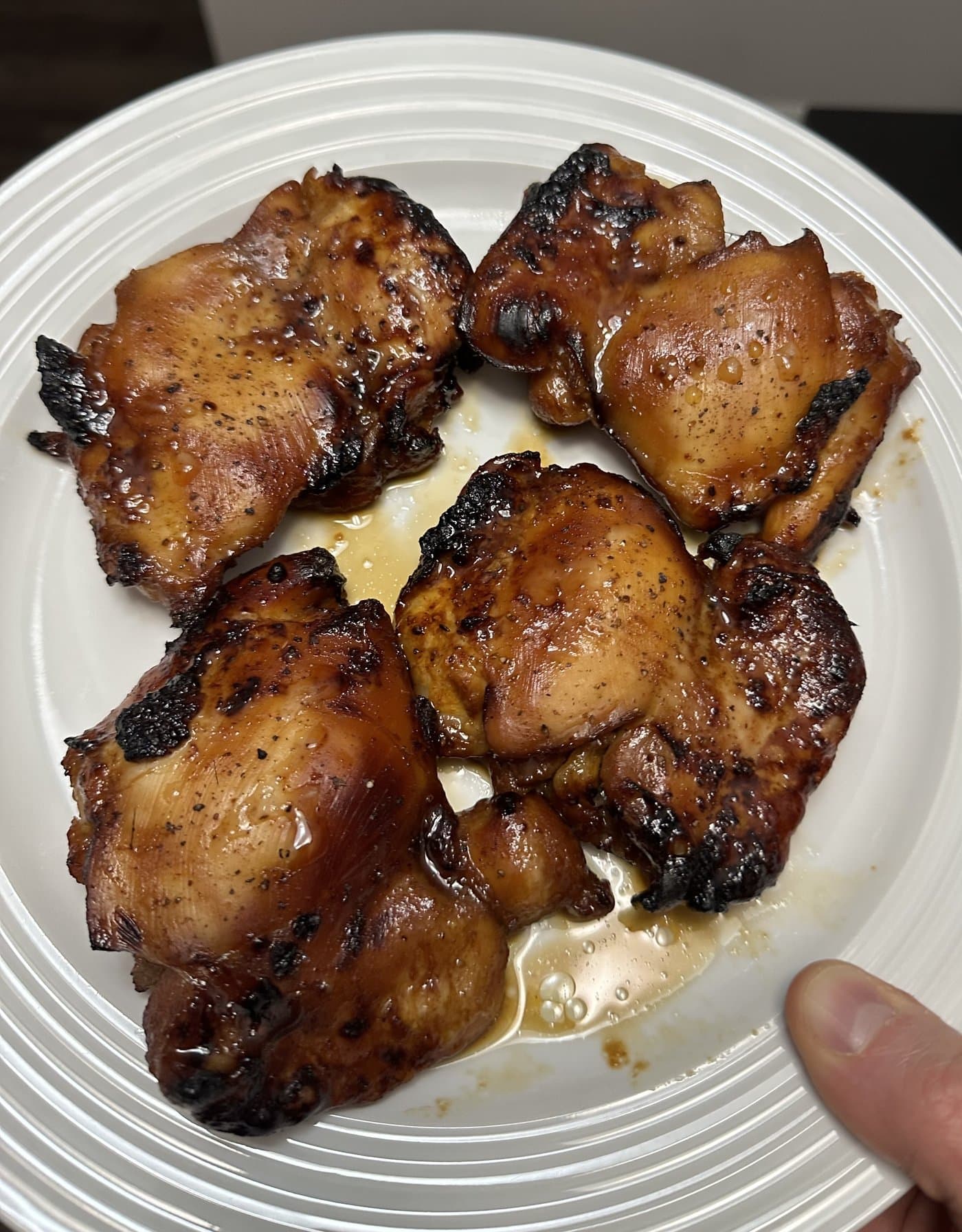
| Bone-In Chicken Thighs | 380°F (193°C) | 20–25 min | Flip skin-side up at 12 min | 175°F–185°F (juicier collagen breakdown) |
| Boneless Chicken Breasts (8 oz) | 375°F (190°C) | 12–16 min | Flip once at 7 min | 165°F in thickest part |
| Thick-Cut Bacon | 350°F (177°C) | 8–11 min | Rearrange strips if overlapping | Rendered fat; crispy edges |
| Fresh Burger Patties (6 oz) | 375°F (190°C) | 10–13 min | Flip once at 6 min | 160°F internal (USDA safe ground beef) |
| Salmon Fillets (1-inch thick) | 390°F (199°C) | 7–10 min | No flip required (skin-side down) | 145°F or flakes easily with fork |
| Fresh Hand-Cut French Fries | 380°F (193°C) | 18–22 min | Vigorous basket shake every 5 min | Deep golden brown; tender interior |
| Broccoli & Cauliflower Florets | 375°F (190°C) | 8–12 min | Shake basket at 5 min | Charred edges; tender stems |
| Frozen French Fries | 400°F (204°C) | 12–16 min | Shake basket twice during cooking | Uniformly crisp and light golden |
| Frozen Chicken Tenders / Nuggets | 390°F (199°C) | 10–12 min | Shake basket at 6 min | 165°F internal; crunchy breading |
Why shaking and flipping is non-negotiable
Unlike traditional ovens where multiple rack levels allow broad radiant heat, air fryers generate directional heat from the top downward.
- Flipping Flat Proteins: Steaks, pork chops, and thick chicken breasts should be flipped halfway through the cooking cycle. This ensures both sides experience direct radiant heat from the element, producing even browning and preventing the underside from simmering in pooling drippings.
- Agitating Small Items: French fries, brussels sprouts, broccoli florets, and chicken nuggets must be vigorously shaken every 5 to 6 minutes. Shaking shifts items from the bottom of the pile to the top, exposing new surface areas to the high-speed air stream.
Temperature zones and culinary logic
Different food categories demand distinct thermal ranges:
- Low Heat (300°F – 330°F / 149°C – 165°C): Ideal for gently dehydrating fruits, warming delicate pastries, or melting cheese on sandwiches without over-browning bread.
- Medium Heat (350°F – 375°F / 177°C – 190°C): Best for dense proteins like thick chicken breasts, pork chops, and meatballs that require sufficient time for heat to penetrate to the center without scorching the exterior.
- High Heat (380°F – 400°F / 193°C – 204°C): Essential for flash-crisping frozen snacks, roasting high-moisture vegetables (like broccoli or zucchini), and crisping chicken wings during the final minutes of cooking.
Sources
- USDA Food Safety and Inspection Service — Thermal Lethality and Cooking Guidelines for Poultry and Meat Products — USDA-FSIS (opens in a new tab)
- Institute of Food Technologists (IFT) — Heat and Mass Transfer Mechanisms in Countertop Convection Appliances — IFT Publications (opens in a new tab)
- The Culinary Institute of America (CIA) — The Professional Chef (9th Edition): Principles of Convection Cooking — CIA Reference Library (opens in a new tab)