
On this page
Whether searing steaks in cast iron, stir-frying vegetables in a wok, or crisping chicken wings in an air fryer, high-temperature cooking places immense thermal stress on culinary fats. Exposing unsuitable oils to high heat causes them to break down past their smoke points, producing acrid off-flavors, harsh indoor fumes, and harmful oxidative compounds like aldehydes and lipid peroxides.
Choosing the right cooking oil requires balancing smoke point temperatures, fatty acid oxidative stability, and flavor neutrality.
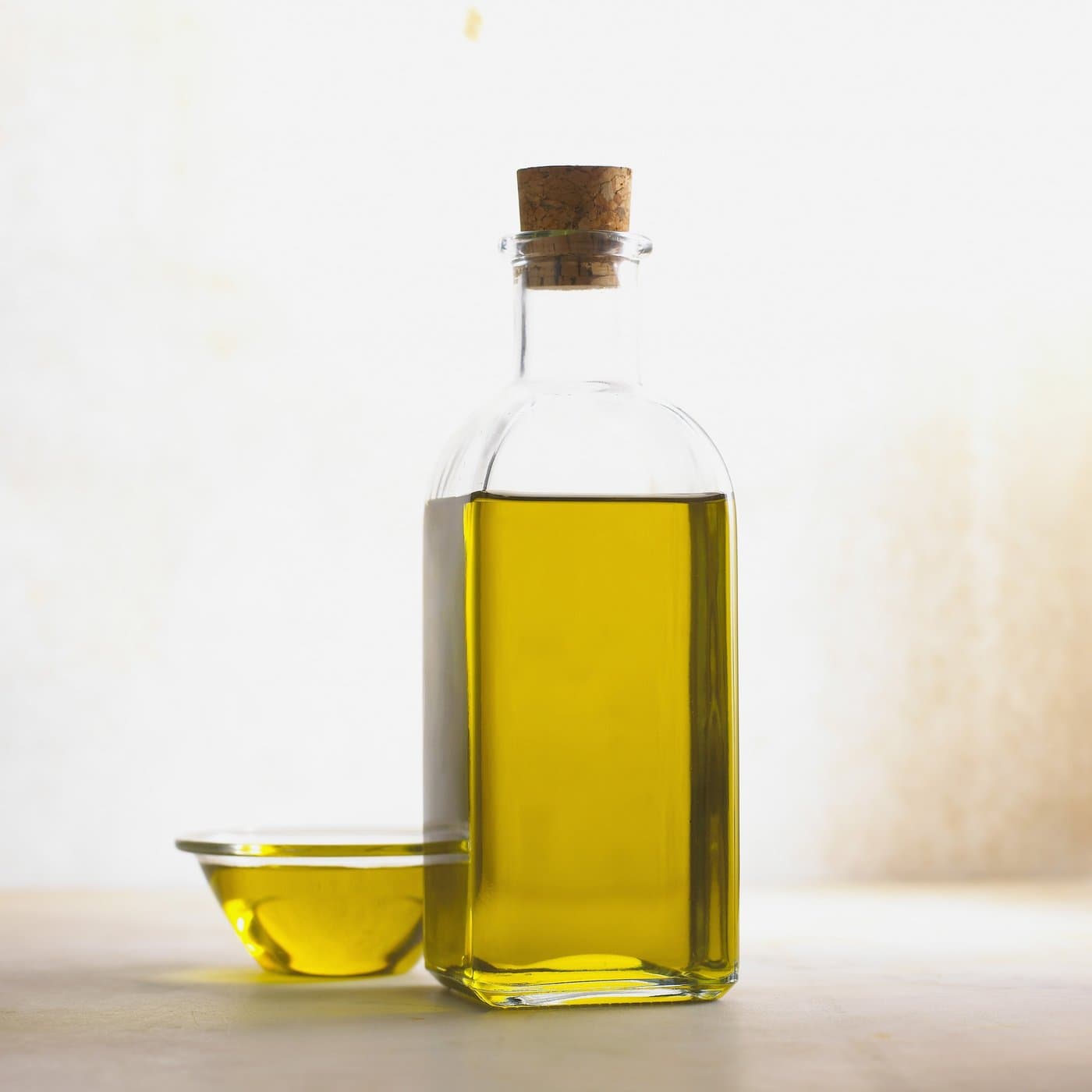
Cooking oil smoke point comparison
The smoke point is the precise temperature threshold at which a fat begins to continuously produce a visible bluish vapor. At this point, triglycerides break down into glycerol and free fatty acids, with the glycerol decomposing further into irritating acrolein fumes.
| Cooking Oil / Fat | Approx. Smoke Point | Primary Fatty Acid Type | Flavor Profile | Best High-Heat Application |
|---|---|---|---|---|
| Refined Avocado Oil | 500°F – 520°F (260°C – 271°C) | Monounsaturated (Oleic acid) | Neutral, exceptionally clean | High-heat searing, air frying, stir-frying, deep frying |
| Clarified Butter / Ghee | 465°F – 485°F (240°C – 252°C) | Saturated / Monounsaturated | Rich, nutty, aromatic butter notes | Steak basting, pan-searing seafood, curry bases |
| Light / Refined Olive Oil | 430°F – 465°F (220°C – 240°C) | Monounsaturated | Mild, neutral | Roasting vegetables, poultry, general skillet sautéing |
| Refined Peanut Oil | 450°F (232°C) | Monounsaturated / Polyunsaturated | Faint nutty undertone | Deep frying, wok cooking, high-temp air fryer potatoes |
| Canola / High-Oleic Sunflower | 400°F – 450°F (204°C – 232°C) | Monounsaturated / Polyunsaturated | Completely neutral | Baking, budget-friendly high-temp frying |
| Extra Virgin Olive Oil (EVOO) | 350°F – 410°F (177°C – 210°C) | Monounsaturated (High polyphenols) | Fruity, peppery, distinct | Low-to-medium heat sautéing, vinaigrettes, finishing |
| Unrefined Coconut Oil | 350°F (177°C) | Saturated (Medium-chain triglycerides) | Sweet, prominent coconut aroma | Baking, low-heat curries (unsuited for high-temp searing) |
Smoke point vs oxidative stability: why stability matters more
While smoke point is the metric most commonly displayed on grocery packaging, food scientists emphasize that oxidative stability is equally critical for culinary performance.
Oils rich in polyunsaturated fats (such as unrefined soybean, corn, or flaxseed oils) possess multiple vulnerable carbon double bonds that oxidize rapidly under heat, even before reaching their smoke points. By contrast, oils dominated by monounsaturated fats (like avocado oil and high-oleic sunflower oil) or saturated fats (like ghee) resist thermal breakdown, maintaining their molecular integrity longer during convective circulation in air fryers.
The air fryer spray can hazard
If you use an air fryer, one critical equipment safety rule supersedes all others: never use commercial aerosol nonstick cooking sprays (such as PAM or generic aerosol cans) on nonstick air fryer baskets.
Commercial aerosol cans contain chemical propellants (such as isobutane or propane) and emulsifiers like soy lecithin. Under intense convective heat, lecithin polymerizes and permanently bonds to the basket's PTFE or ceramic nonstick coating. This creates a gummy, insoluble resin layer that ruins the nonstick performance and cannot be cleaned off without stripping the coating itself.
Recommended oils for home cooking
1. Refined Avocado Oil: The Gold Standard for High-Heat Cooking
- Why it wins: With a smoke point surpassing 500°F (260°C) and a completely clean, neutral flavor, refined avocado oil handles the hottest cast iron sears and intense air fryer crisping cycles without smoking.
- Best use: Searing ribeyes, air-frying crispy french fries, wok stir-frying.
2. Ghee (Clarified Butter): Flavor Without Scorching
- Why it wins: By simmering whole butter and filtering out water and milk solids (whey and casein), ghee raises butter’s low 350°F smoke point up to 485°F (252°C).
- Best use: Stovetop steaks, roasted root vegetables, and pan-crisped fish where rich butter notes are desired without burning.
3. Light / Refined Olive Oil: Everyday Versatility
- Why it wins: Unlike unrefined Extra Virgin Olive Oil, refined olive oil has free fatty acids stripped away, boosting thermal resistance to 465°F while offering an affordable daily staple.
- Best use: Sheet pan vegetable roasting, shallow pan frying, poultry bakes.
Storage practices to prevent rancidity
All culinary oils deteriorate over time through exposure to light, heat, and atmospheric oxygen. Follow these pantry storage rules to preserve fresh flavor and thermal resistance:
- Store in Dark Glass or Tins: Clear plastic bottles let in UV light rays that accelerate lipid photo-oxidation.
- Keep Away From the Stovetop: Storing oil bottles on the counter adjacent to your oven or range subjects them to constant ambient heat spikes. Keep bulk containers in a cool, dark pantry.
- Check the Expiration and Harvest Dates: Discard oils that emit a sour, stale, putty-like, or crayon-like smell, which indicates extensive oxidation.
Sources
- U.S. Department of Agriculture (USDA-ARS) — FoodData Central Nutrient and Fatty Acid Profiles for Vegetable Oils — USDA FoodData Central (opens in a new tab)
- American Oil Chemists' Society (AOCS) — Official Methods and Recommended Practices for Smoke Point and Oxidative Stability — AOCS Technical Standards (opens in a new tab)
- FAO/WHO Codex Alimentarius (CXS 210-1999) — Standard for Named Vegetable Oils — Codex Alimentarius (opens in a new tab)