
On this page
Few kitchen debates generate as much passion among home cooks as the choice between a heavy cast iron skillet and a tri-ply stainless steel pan. Both are heirloom-quality cookware materials that avoid synthetic chemical coatings, withstand high oven temperatures, and last for decades when maintained properly.
However, cast iron and stainless steel behave radically differently on the stovetop. Understanding how each material absorbs, stores, and transfers thermal energy is the key to selecting the right pan for the specific cooking tasks you tackle most often.
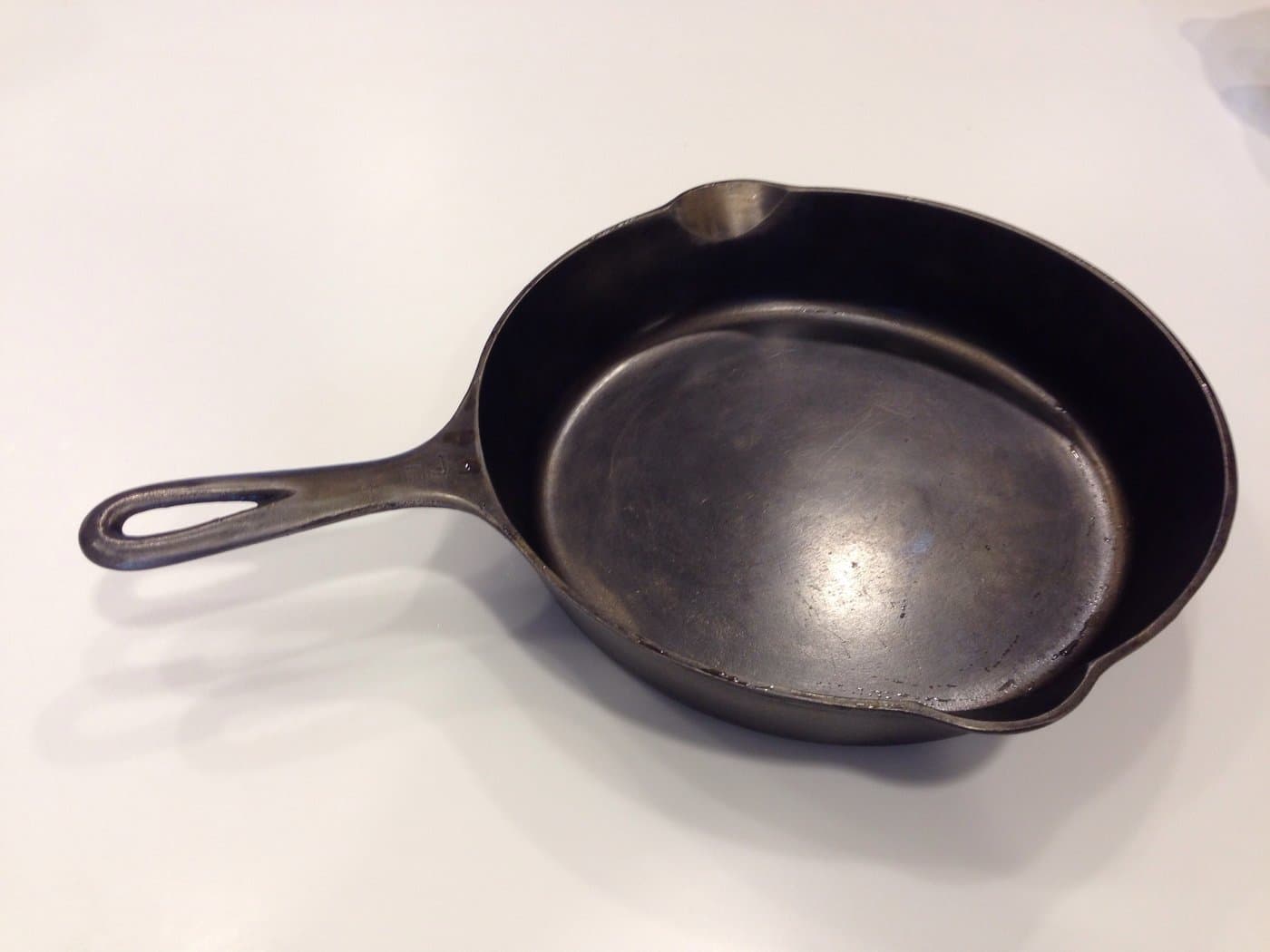
Quick comparison overview
To help you decide at a glance, here is how seasoned cast iron and clad stainless steel compare across practical kitchen attributes:
| Attribute | Seasoned Cast Iron | Tri-Ply Stainless Steel | Practical Winner |
|---|---|---|---|
| Thermal Mass & Retention | High; retains intense heat when cold food is added | Moderate; cools faster when loaded with chilled ingredients | Cast Iron (for deep searing) |
| Thermal Responsiveness | Slow to heat and slow to cool down | Fast; responds swiftly to flame or induction adjustments | Stainless Steel (for delicate sauces) |
| Acid Reactivity | Reactive; prolonged acidic sauces strip seasoning | Completely non-reactive; handles tomatoes, wine, and citrus | Stainless Steel |
| Surface Nonstick Qualities | Semi-slick polymer patina builds with seasoning | Naturally adhesive; requires temperature discipline to release | Cast Iron (for eggs and corn bread) |
| Deglazing & Fond Creation | Dark patina makes fond visibility and pan sauces difficult | Pale surface highlights browned fond for pan sauces | Stainless Steel (for pan sauces) |
| Maintenance & Care | Requires hand washing, thorough drying, and oiling | Dishwasher-safe; handles harsh scrubs and bar keepers friend | Stainless Steel (for convenience) |
Thermal properties explained
The fundamental difference between cast iron and clad stainless steel comes down to two physics principles: thermal conductivity and volumetric heat capacity.
Cast Iron: High heat capacity, slow conduction
Cast iron is actually a mediocre conductor of heat compared to aluminum or copper. It conducts heat roughly one-third as fast as pure aluminum. When you place a cast iron pan over a gas burner, heat concentrates directly above the flame, creating distinct hot spots unless the pan is preheated gradually for 5 to 10 minutes.
Where cast iron excels is volumetric thermal mass. Because standard cast iron skillets are cast with thick walls (typically 3.5 to 5 millimeters thick) and dense iron, they store an immense quantity of thermal energy. When you drop a cold 12-ounce ribeye steak into a fully preheated cast iron pan, the surface temperature drops very little. The skillet dumps stored thermal energy directly into the meat, creating a rapid, deeply browned Maillard crust without steaming.
Clad Stainless Steel: Rapid response and even heat distribution
Stainless steel on its own is an even poorer conductor of heat than cast iron. However, modern culinary stainless steel skillets are rarely pure steel. Instead, they utilize a "clad" or multi-ply sandwich structure: a core layer of highly conductive aluminum (or copper) bonded between durable layers of stainless steel.
The interior aluminum core spreads heat rapidly across the entire bottom and up the sides of the pan. When you turn down the flame, a clad stainless pan cools down promptly, giving you precise temperature control. This responsiveness is vital when searing delicate seafood, sautéing aromatics that scorch easily, or emulsifying butter-based pan sauces.
Pan sauces and fond development
One of the biggest practical advantages of stainless steel is fond formation and deglazing.
When meats and proteins are sautéed in a stainless steel skillet, natural juices, sugars, and proteins lightly adhere to the metallic cooking surface, caramelizing into deeply flavorful golden-brown particles known in French gastronomy as fond.
Because stainless steel has a bright, reflective interior, home cooks can accurately judge the color of the fond, ensuring it turns amber-brown rather than charred black. Once the protein is set aside, splashing a splash of wine, stock, or vinegar into the hot pan instantly lifts the fond from the floor, creating a restaurant-quality pan sauce in minutes.
While fond forms in cast iron as well, the pan's dark black patina makes it harder to monitor color development. Furthermore, simmering acidic liquids like dry white wine, lemon juice, or tomato reduction for extended periods in cast iron can leach trace metallic flavors and degrade the polymerized oil seasoning.
Cleaning, care, and everyday maintenance
Maintenance expectations frequently guide which pan home cooks reach for on busy weeknights.
Cleaning Cast Iron
- Wash with warm water, mild dish soap, and a non-abrasive sponge or chainmail scrubber. (Modern dish soaps do not contain harsh lye and will not strip properly bonded polymer seasoning.)
- Never soak cast iron in a sink filled with water.
- Never run cast iron through a dishwasher cycle.
- Immediately dry thoroughly with a lint-free towel, place on a warm burner for 60 seconds to evaporate lingering moisture, and wipe with a micro-drop of neutral oil before storage.
Cleaning Stainless Steel
- Completely dishwasher-safe, though hand washing preserves surface luster longer.
- If stuck-on protein or burnt starch occurs, simmer water with a teaspoon of baking soda for 3 minutes, then wipe clean.
- For cloudy mineral deposits or rainbow heat tinting, applying a small dab of Bar Keepers Friend (oxalic acid) restores the factory mirror finish instantly.
The verdict: which should you buy first?
If you can only afford one versatile skillet right now:
- Get a 10-inch or 12-inch Clad Stainless Steel Skillet if you value low-maintenance dishwasher cleaning, cook diverse sauces with wine and citrus, and want an agile pan that responds instantly to temperature adjustments.
- Get a 10.25-inch or 12-inch Pre-Seasoned Cast Iron Skillet if you prioritize steakhouse-grade searing, smash burgers, rustic stovetop-to-oven baking, and budget-friendly durability that literally lasts for generations.
Most dedicated home kitchens eventually benefit from having both: cast iron for heavy, heat-intensive searing, and clad stainless steel for sauced sautés and everyday precision cooking.
Sources
- National Institute of Standards and Technology (NIST) — Thermal Conductivity of Metals and Alloys Database — NIST Materials Research (opens in a new tab)
- Lodge Cast Iron Manufacturing — Seasoning Science, Metallurgy, and Cookware Maintenance Protocols — Lodge Cast Iron Documentation (opens in a new tab)
- All-Clad Metalcrafters LLC — Multi-Ply Bonded Cookware Technology and Care Guidelines — All-Clad Technical Publications (opens in a new tab)